
Compartments That Don't Hide the Buildup
Engine Bay Detailing in Chino for removing oil residue, dirt accumulation, and road grime from under the hood
Dusty roads and stop-and-go traffic around Chino accelerate the accumulation of dirt, oil mist, and road grime inside engine compartments, creating a layer of buildup that obscures components and makes fluid leaks harder to spot during routine checks. Supreme Auto Care uses specialized degreasers, detail brushes, low-pressure rinsing, and controlled drying procedures to safely clean engine bays without damaging sensitive electrical components or forcing water into areas where it doesn't belong. The process involves masking alternators, exposed intakes, and control modules before applying degreasers that break down oil and grease without requiring high-pressure spray.
Safe cleaning requires preparation steps that prevent water intrusion into connectors, fuse boxes, and air intake openings. Degreasers are agitated with brushes to lift embedded grime from plastic covers, metal brackets, and hose surfaces, then rinsed using controlled water flow that doesn't saturate electrical components. Heat-resistant dressing products are applied to plastics and rubber hoses after drying, leaving a clean appearance without the greasy film that attracts more dust immediately after cleaning.
Arrange engine detailing during your next major service appointment to combine cleaning with oil changes or inspection work when the hood is already open.
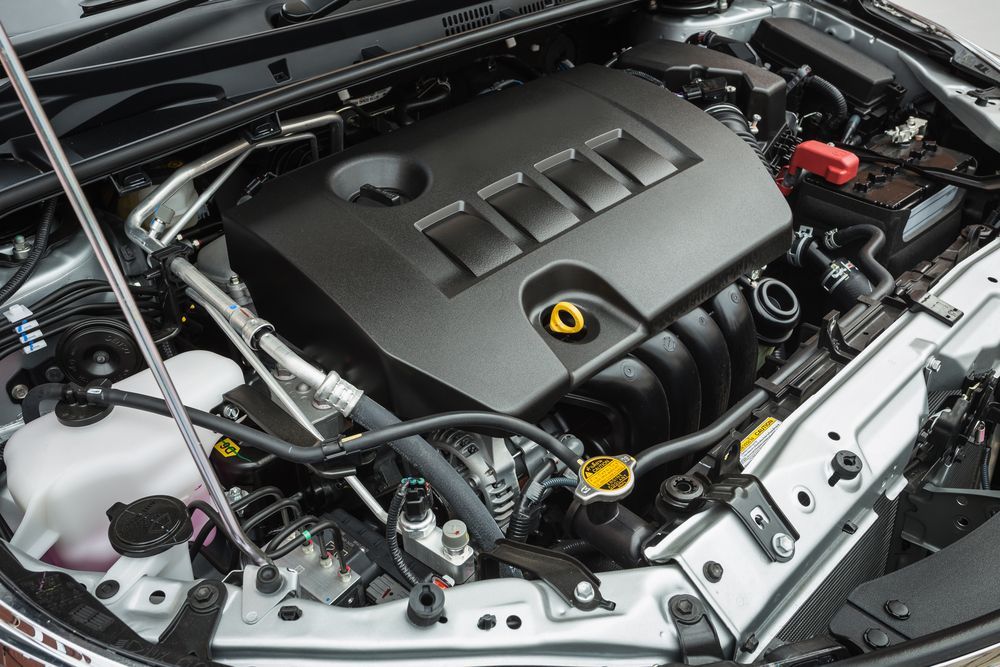
Why a Clean Engine Bay Matters Beyond Appearance
Detail brushes reach into recessed areas around valve covers, battery terminals, and reservoir caps where dirt cakes onto surfaces over time. Low-pressure rinsing removes loosened grime without forcing water past gaskets or into sensor housings, and compressed air or microfiber towels complete the drying process before any dressing is applied. The goal is to remove contaminants without introducing moisture where it creates corrosion or electrical faults.
After detailing, you'll notice components are easier to identify during fluid checks, leaks show up immediately against clean surfaces instead of blending into existing grime, and the overall condition of hoses and belts becomes more apparent. A clean engine bay also simplifies pre-purchase inspections, where buyers evaluate maintenance history partly based on how well the compartment has been cared for over the vehicle's life.
Engine detailing does not include mechanical repairs, gasket replacements, or fixes for existing oil leaks. It removes the visible evidence of leaks and buildup, but any active seepage or fluid loss requires separate repair work to address the source rather than just cleaning the aftermath.
Questions About Cleaning Under the Hood
Owners often hesitate to clean engine bays themselves due to concerns about water damage or whether the effort is worth the result, especially if they've heard conflicting advice about pressure washing.
What happens if water gets into electrical components during cleaning?
Properly masked and protected components avoid water intrusion, but if moisture does enter connectors or control modules, it can cause corrosion, fault codes, or starting issues that require drying and sometimes component replacement.
How often should engine bays be detailed?
Most vehicles benefit from detailing every 12 to 24 months depending on driving conditions, with more frequent cleaning needed for vehicles exposed to dirt roads, construction zones, or heavy stop-and-go traffic in Chino's industrial areas.
Why does oil residue keep coming back even after cleaning?
Active leaks from valve cover gaskets, oil pan seals, or other failing gaskets continue to spread oil mist throughout the compartment, meaning cleaning only provides temporary improvement until the leak itself is repaired.
What products are used to dress plastics and hoses after cleaning?
Heat-resistant silicone-based dressings coat plastics and rubber without leaving a greasy finish that attracts dust or breaks down under engine heat.
When is the best time to detail an engine bay?
Detailing works best when scheduled alongside oil changes, brake services, or other under-hood work, allowing the technician to inspect and clean simultaneously without separate appointments.
Supreme Auto Care coordinates engine detailing with maintenance services to streamline the process and reduce the number of shop visits required. Contact the shop to schedule detailing before an upcoming inspection or when preparing a vehicle for resale.