Warning Lights That Need Real Answers
Check Engine Light & Computer Diagnostics in Chino for identifying fault codes, drivability issues, and emissions system concerns
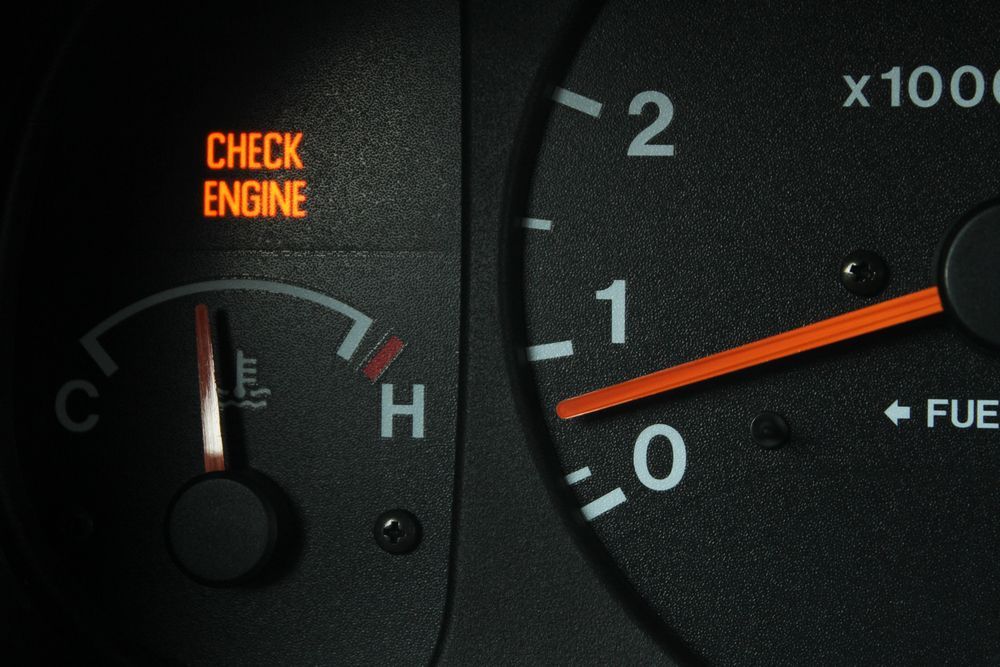
When the check engine light illuminates on your dashboard, the vehicle's onboard computer has detected a condition outside normal operating parameters and stored a diagnostic trouble code that points toward the affected system. Modern vehicles depend on dozens of sensors and computerized controls that monitor everything from oxygen levels in the exhaust to throttle position and ignition timing, making professional digital diagnostics essential to pinpoint the actual cause rather than guessing based on symptoms. Supreme Auto Care uses advanced OBD-II scanning equipment in Chino to retrieve active and pending fault codes, then performs live sensor monitoring and targeted component inspections to confirm the diagnosis before recommending any repairs.
Diagnostic scanning retrieves stored trouble codes, but the code itself only identifies which system reported the fault, not necessarily which component failed. Live data monitoring shows real-time sensor readings during engine operation, revealing whether a sensor is reporting incorrect values, a circuit has failed, or a mechanical problem is triggering the code. Targeted inspections verify the diagnosis by testing the suspected component directly, checking wiring continuity, or performing functional tests that reproduce the fault under controlled conditions.
Schedule diagnostic testing as soon as warning lights appear rather than waiting to see if they clear on their own or lead to more serious drivability problems.
How Digital Diagnostics Locate the Actual Problem
Scanning tools connect to the vehicle's diagnostic port and communicate with control modules throughout the engine, transmission, and emissions systems. The tool retrieves fault codes, displays freeze-frame data captured when the code was set, and allows the technician to monitor live sensor outputs while the engine runs. This process identifies whether the problem is electrical, mechanical, or related to fuel delivery, ignition timing, or emissions control components.
You'll receive a transparent report that explains which codes were retrieved, what system each code points to, and what component testing confirmed as the root cause. Early diagnosis prevents minor sensor failures from escalating into catalytic converter damage, engine misfires that harm ignition coils, or ignored faults that eventually cause breakdowns. Heat and heavy daily driving in Southern California accelerate wear on oxygen sensors, mass airflow sensors, and evaporative emissions components, making periodic diagnostic checks valuable even before warning lights appear.
Diagnostic services identify the problem but do not include the cost of parts or labor for the actual repair work. Transparent reporting separates the diagnosis fee from repair estimates, allowing you to understand exactly what's wrong before deciding whether to proceed with recommended fixes immediately or prioritize based on severity.
Answers to Frequent Diagnostic Questions
Drivers dealing with check engine lights often worry about whether the issue is urgent, expensive, or something they can delay until a more convenient time, particularly if the vehicle still runs normally.
What does it mean when the check engine light blinks instead of staying solid?
A flashing check engine light indicates an active misfire that can damage the catalytic converter if you continue driving, requiring immediate diagnosis and shutdown until repairs are completed.
How accurate are diagnostic trouble codes in identifying the exact problem?
Codes narrow the problem to a specific system or circuit but don't always pinpoint the failed component, which is why live data monitoring and physical testing are necessary to confirm the diagnosis.
Why does the check engine light come on more often in older vehicles?
Aging sensors, worn wiring, and accumulated carbon deposits create more opportunities for faults to occur, especially in vehicles with over 100,000 miles where components have been exposed to years of heat cycling and vibration.
What causes check engine lights to turn off on their own?
The light extinguishes automatically if the fault condition doesn't recur during subsequent drive cycles, but the code remains stored in the computer's history until it's cleared, meaning the underlying problem may still exist intermittently.
When should I ignore a check engine light versus treating it as urgent?
Never ignore a flashing light or any warning accompanied by performance loss, rough idling, or unusual noises, but a steady light without symptoms can usually wait a few days for scheduled diagnosis without causing immediate damage.
Supreme Auto Care provides same-day diagnostic appointments for drivers experiencing active warning lights or drivability concerns that affect daily commuting. Call (909) 696-5641 to schedule testing before a minor issue becomes a costly failure that leaves you stranded.